
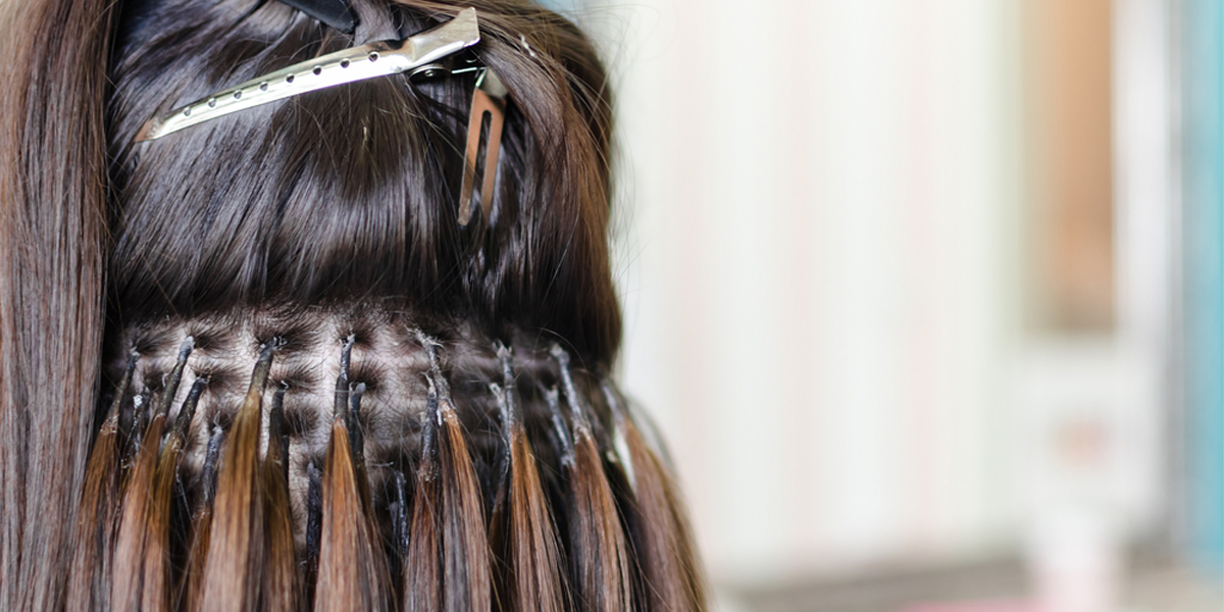
Staring at your hair reflection and wishing for instant volume can lead you down a deep internet rabbit hole. Two names dominate the conversation right now: microlinks and tape-ins. Both methods promise to transform your look, but they serve completely different lifestyles, hair types, and maintenance budgets. Picking the wrong one can lead to a flat look or, worse, unnecessary shedding. Investing in a premium microlink weave hair extensions system or a sleek tape install requires knowing exactly how these methods behave out in the real world. Let us break down the mechanics, the daily reality, and the math behind both options so you can make the absolute best choice for your strands.
The main difference between these two heavyweights comes down to attachment. Tape-ins utilize flat, pre-taped wefts that sandwich your natural strands using a specialized medical adhesive. Microlinks completely skip the glue, utilizing tiny, silicone-lined metal beads to secure either individual strands or long hair wefts directly to your roots. Tape-ins create a flat, sheet-like distribution of weight, while links offer a highly flexible, point-by-point attachment that mimics natural hair movement.
The tape process is impressively fast. Your stylist takes a thin section of your natural hair and places one adhesive strip underneath it and another strip right on top. They press them together, creating a secure sandwich. Because the wefts are about an inch and a half wide, they cover a lot of ground quickly. This method is fantastic if you want a swift salon visit and immediate thickness that spreads evenly across the back of your head. The flat profile means they sit flush against your scalp, making them virtually invisible when your hair is worn down.
If you love high ponytails, messy buns, and total styling freedom, links are bound to steal your heart. Choosing micro links for extensions means your stylist attaches premium hair using tiny beads that match your hair color perfectly. The silicone lining inside each bead acts as a protective cushion, ensuring your natural strands never get pinched or damaged. Because the attachment points are incredibly small and separate, your hair moves naturally in every direction. You can flip your part, pull your hair up, and feel the breeze on your scalp without worrying about a corner of tape peeking through.
Your natural hair type plays a massive role in this decision.
Let us talk about real life. If you hit the gym hard and sweat daily, tape-ins can pose a bit of a puzzle. Heavy oils and sweat can slowly break down the adhesive over time, leading to premature slipping. You also have to wait a couple of days after installation before washing your hair to let the glue cure completely.
Microlinks have zero wait time. You can walk out of the salon and head straight to a hot yoga class or the pool. Because there is no glue involved, your favorite scalp oils and deep conditioners will not cause your extensions to slide out.
The long-term relationship with your extensions looks very different for each method. Tape-ins generally need to be removed, washed, re-taped, and reapplied every six to eight weeks. If you leave them in too long, the tape can start to twist, which tangles your natural hair.
Microlinks offer a bit more breathing room but require consistent care. You visit the salon around the six-week mark for a quick tightening appointment where the beads are moved back up closer to the root. The actual hair can last for many months when you invest in top-tier quality, making it a highly sustainable option for your beauty budget.
Any extension method can cause trouble if your installer rushes the job or if you neglect your home care. Tapes require a careful removal process using a specific alcohol-based solution to melt the glue safely. Pulling them apart roughly will snap your natural strands. For links, the main danger comes from skipping your tightening appointments. As your natural hair grows, the weight of the bead sits further down the hair shaft, which can cause matting at the root if left unattended. Trusting an expert hand ensures your natural hair stays long, thick, and healthy throughout the entire process.
Summer brings humidity, pool parties, and plenty of updos. Microlinks easily win the summer crown because they allow your scalp to breathe fully. You can wash your scalp thoroughly after swimming without worrying about trapped moisture weakening any glue bonds. Tapes can feel a bit warm during peak summer months because the solid panels block airflow directly at the scalp. If you choose tapes for the summer, you simply have to be diligent about drying the roots completely after every single sweat session or swim.
Your hair deserves the touch of a true specialist who knows exactly how to balance style and strand health. You can stop guessing which extension path fits your life and let professional hands design your dream hair. Hair Weaves & Extensions MD provides a premium experience tailored to your exact hair density and daily routine. The salon offers flawless installations, precise color matching, and expert care that keeps your natural hair thriving beneath the volume. You can wave goodbye to limp strands and welcome a head-turning, bouncy mane. Book your personal consultation at Hair Weaves & Extensions MD today and discover the absolute best version of your hair.

I am a top hairstylist and hair extensions specialist traditional braid and sew weave, microlink weaves, customized services, netting, lace, hair replacement, and units.
Shop Now© 2026 Hairwavesand Extensionmd. All Rights Reserved.